Artificial intelligence · Automation
How to implement AI in my business? Start with the process, not the tool
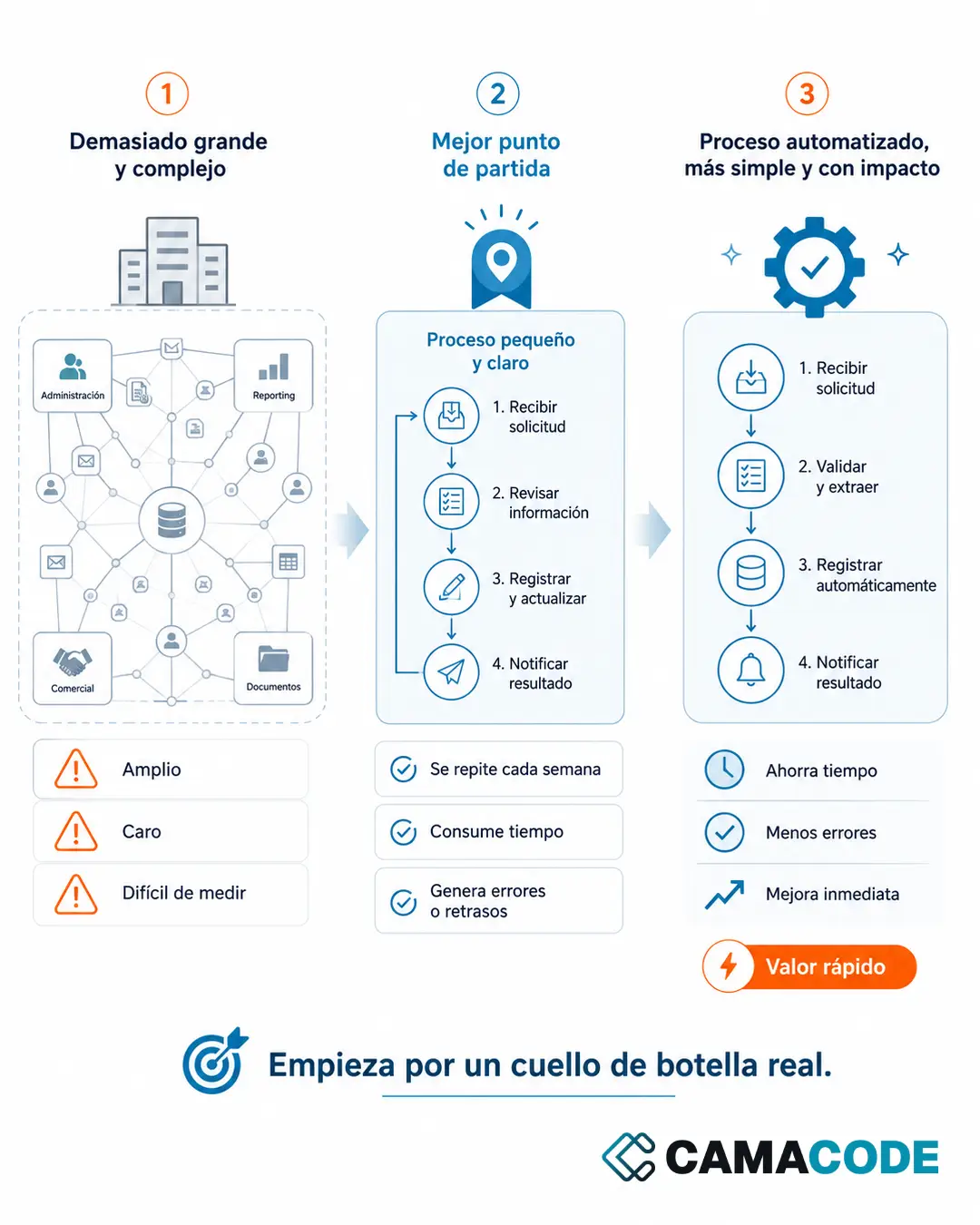
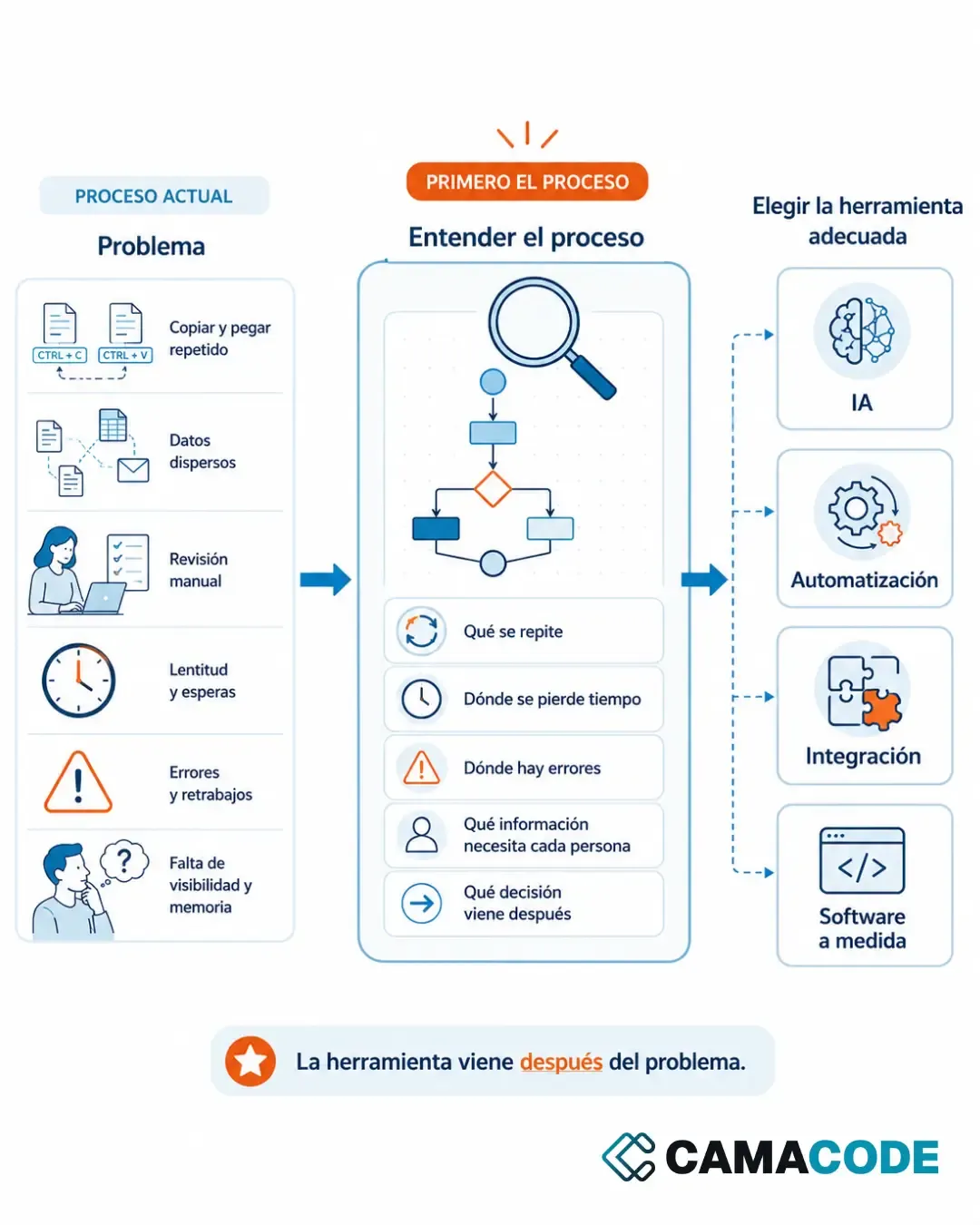
To implement AI in your business, start by choosing one specific process that works badly today: repetitive, with available data and a measurable outcome. Then decide whether the answer is AI, automation or an integration. The tool always comes after the problem, never before.

Written by Lluís Casals Marsol · Founder at Camacode
Published on
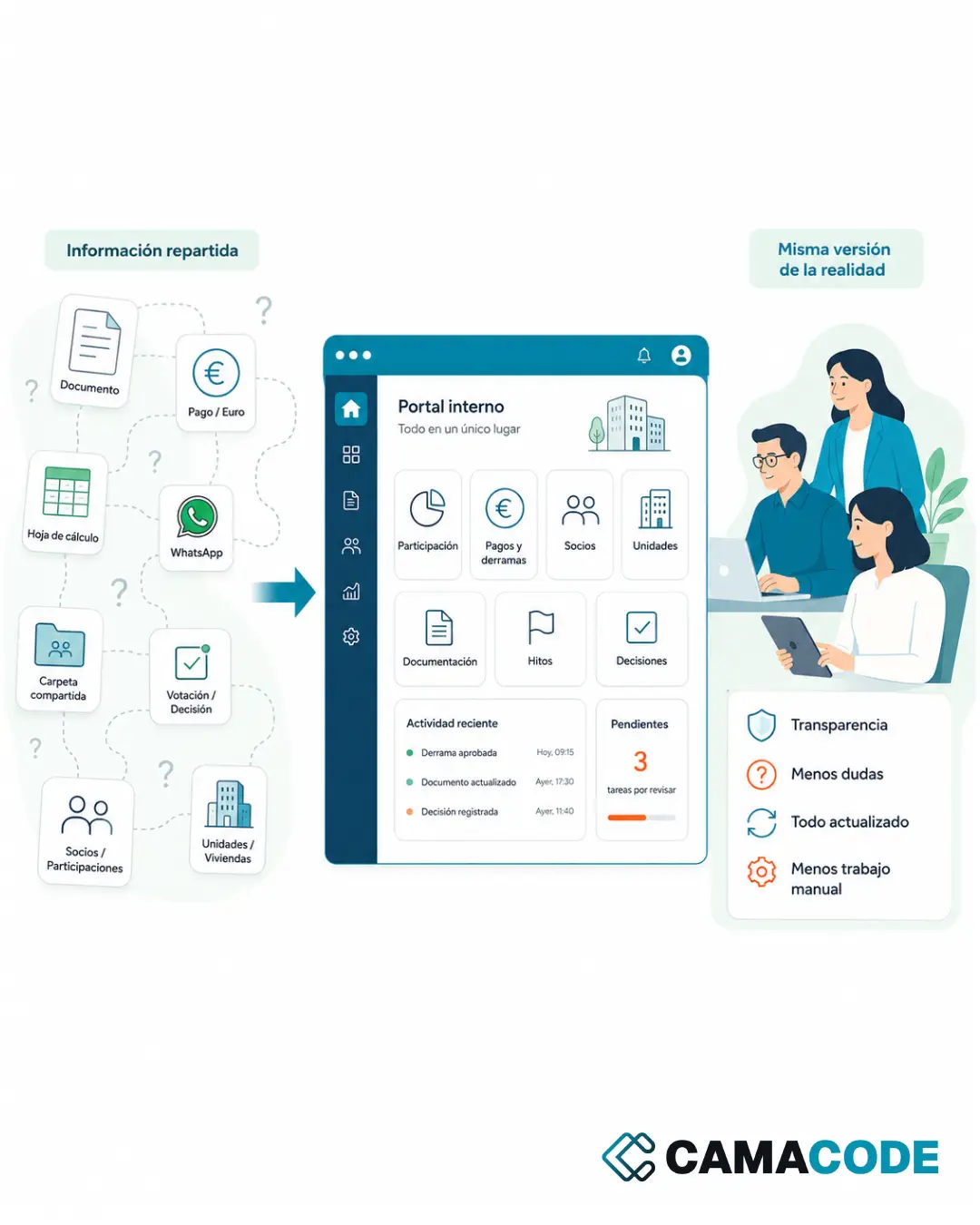
“We want to add AI” is how many conversations start. And we almost always reply with the same question: which process are we trying to improve? Because if the process isn’t clear, AI just adds another layer of complexity on top of the mess.
What is the most common mistake when you try to use AI in your business?
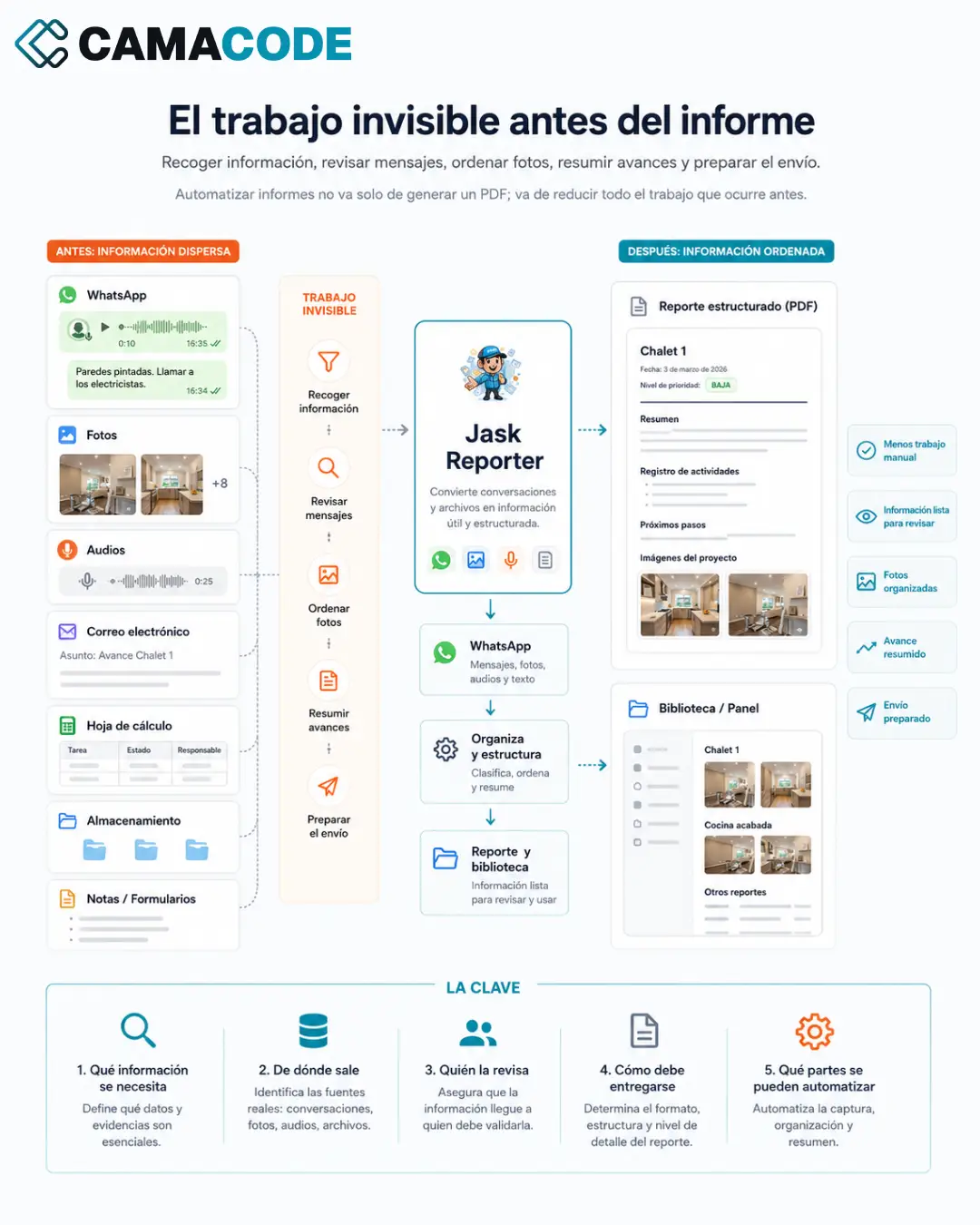
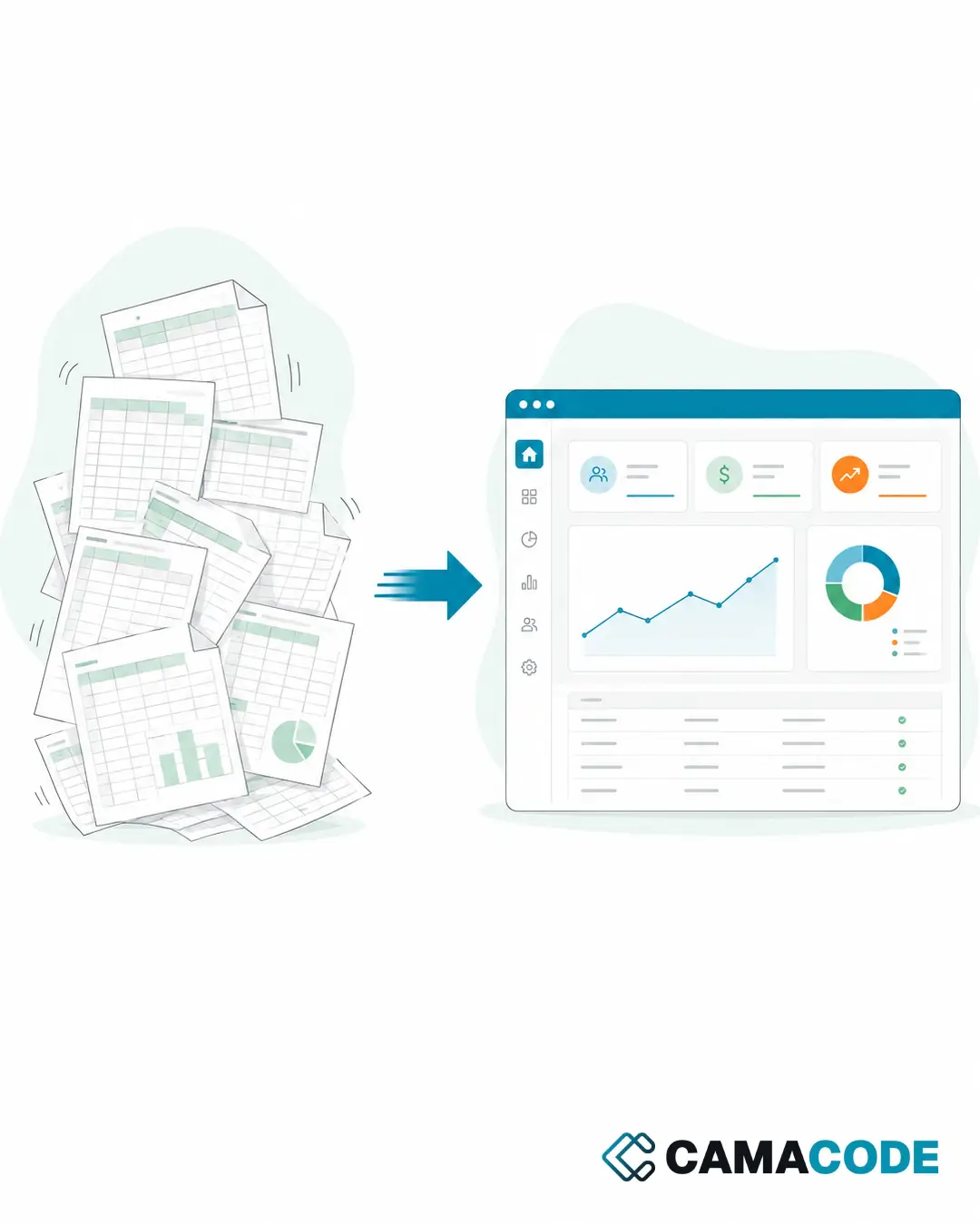
Starting with the tool. A license gets signed, a chatbot gets tested, an impressive demo gets built… and three months later nobody uses it, because it doesn’t solve anything that really hurts. The first problem most companies have is not a lack of AI: it’s repeated tasks, scattered data, slow decisions and processes that depend far too much on copying, pasting, checking and remembering. AI applied to a messy process doesn’t fix it; it speeds it up, mess included. That’s why at Camacode the first phase of any AI project is understanding the process, not choosing the model.
What questions should you ask before implementing AI?
Before talking about technology, answer these five questions about the candidate process:
- What repeats every week in exactly the same way?
- Where is time lost that nobody measures?
- Where do the errors show up, and what do they cost?
- What information does each person need to do their part?
- What decision has to be made at the end, and who makes it?
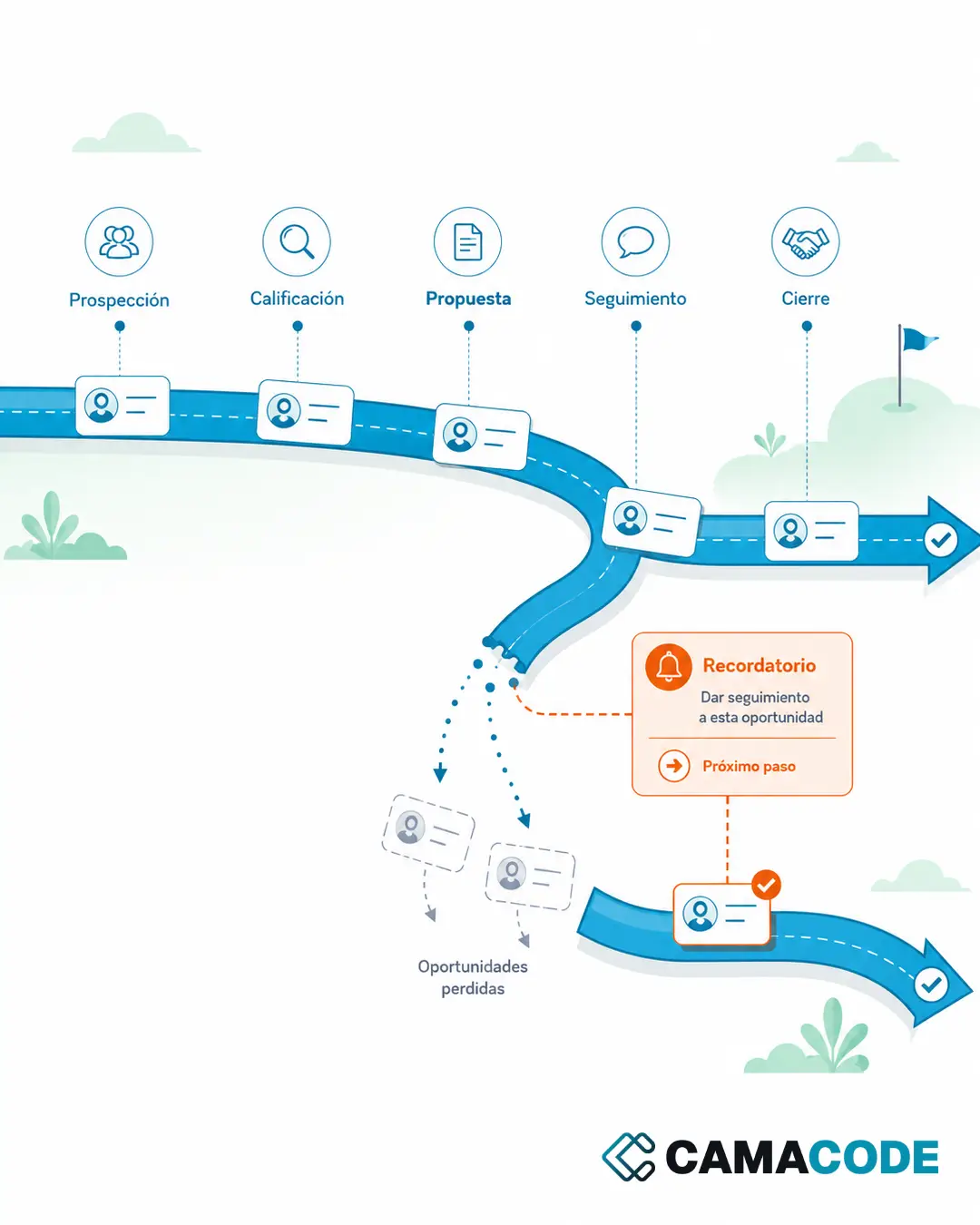
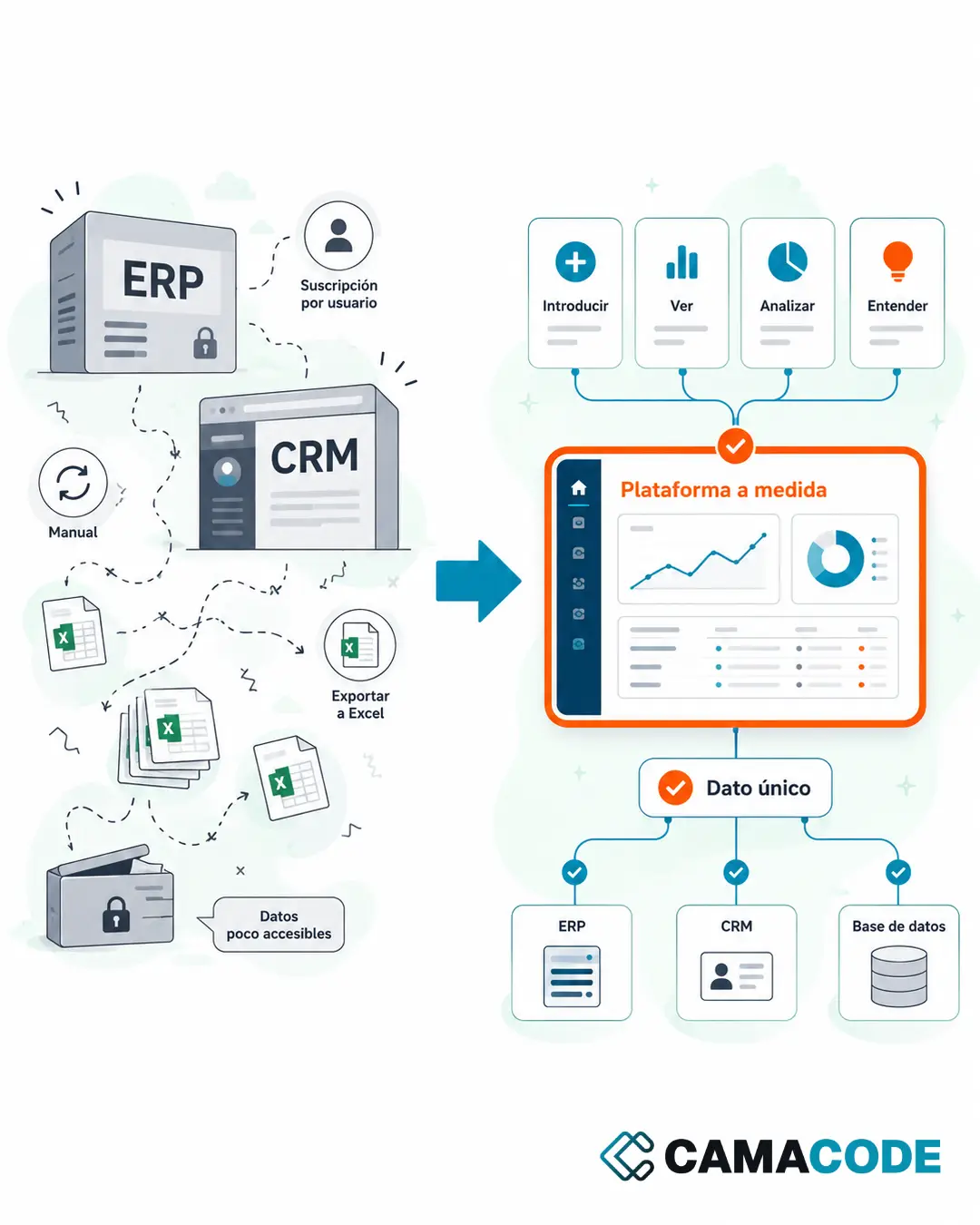
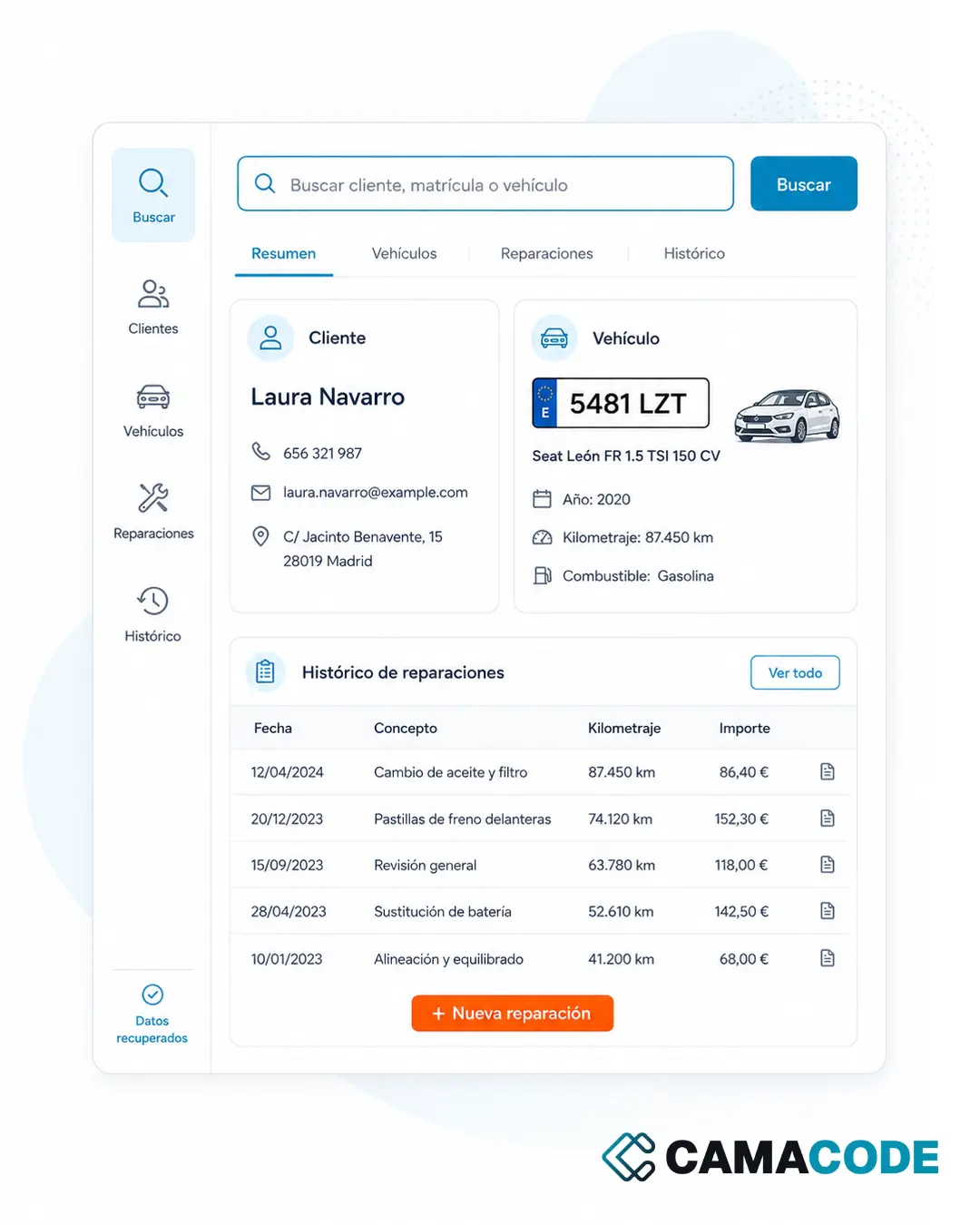
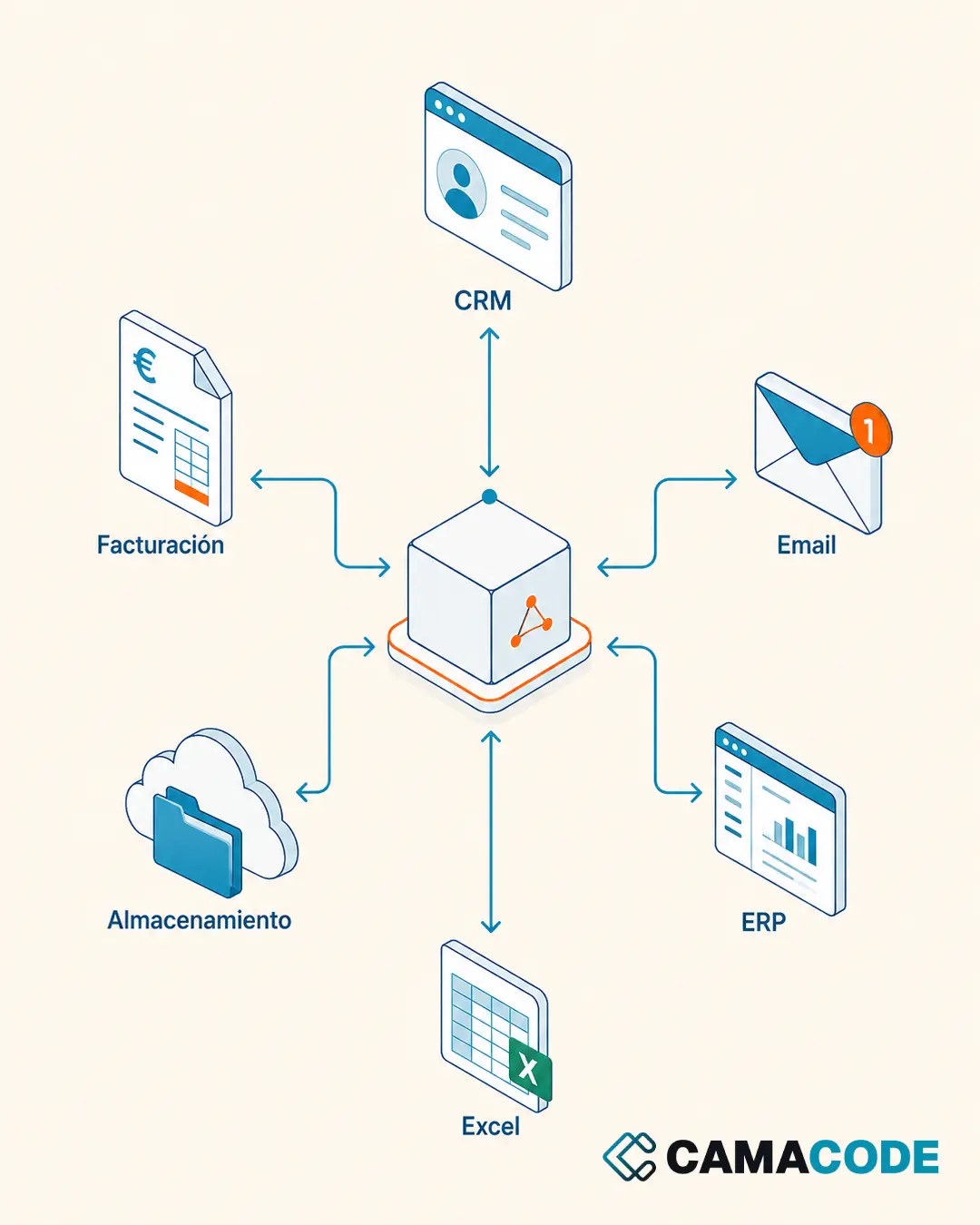
If you can answer them, you already have the map of the process. And with that map in front of you, you often discover that the answer isn’t even AI: it can be a simple automation, an integration between two tools or a small internal application. To prioritize between candidates, this guide on what processes can be automated in a company will help.
When should you automate tasks with AI, and when is plain automation enough?
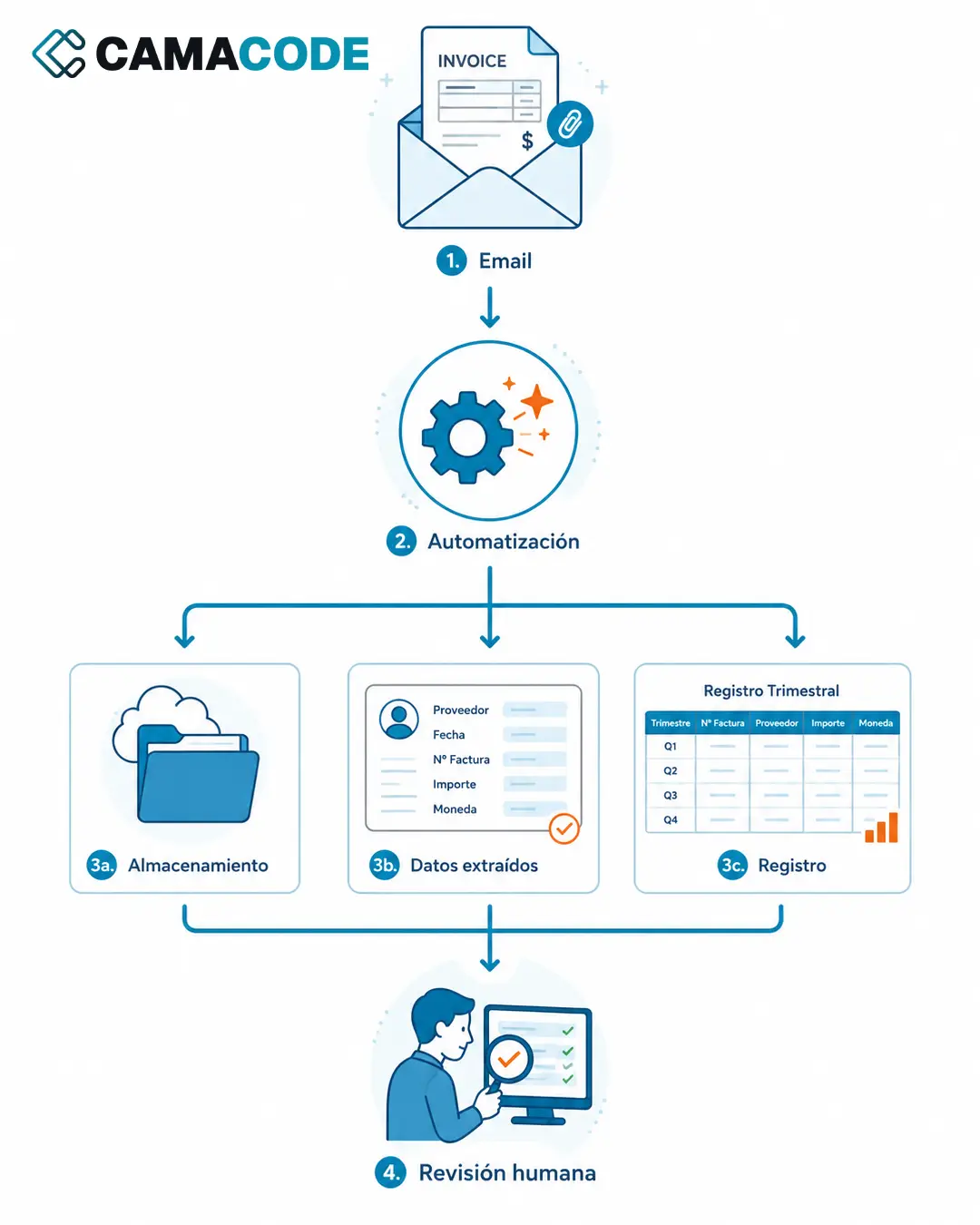
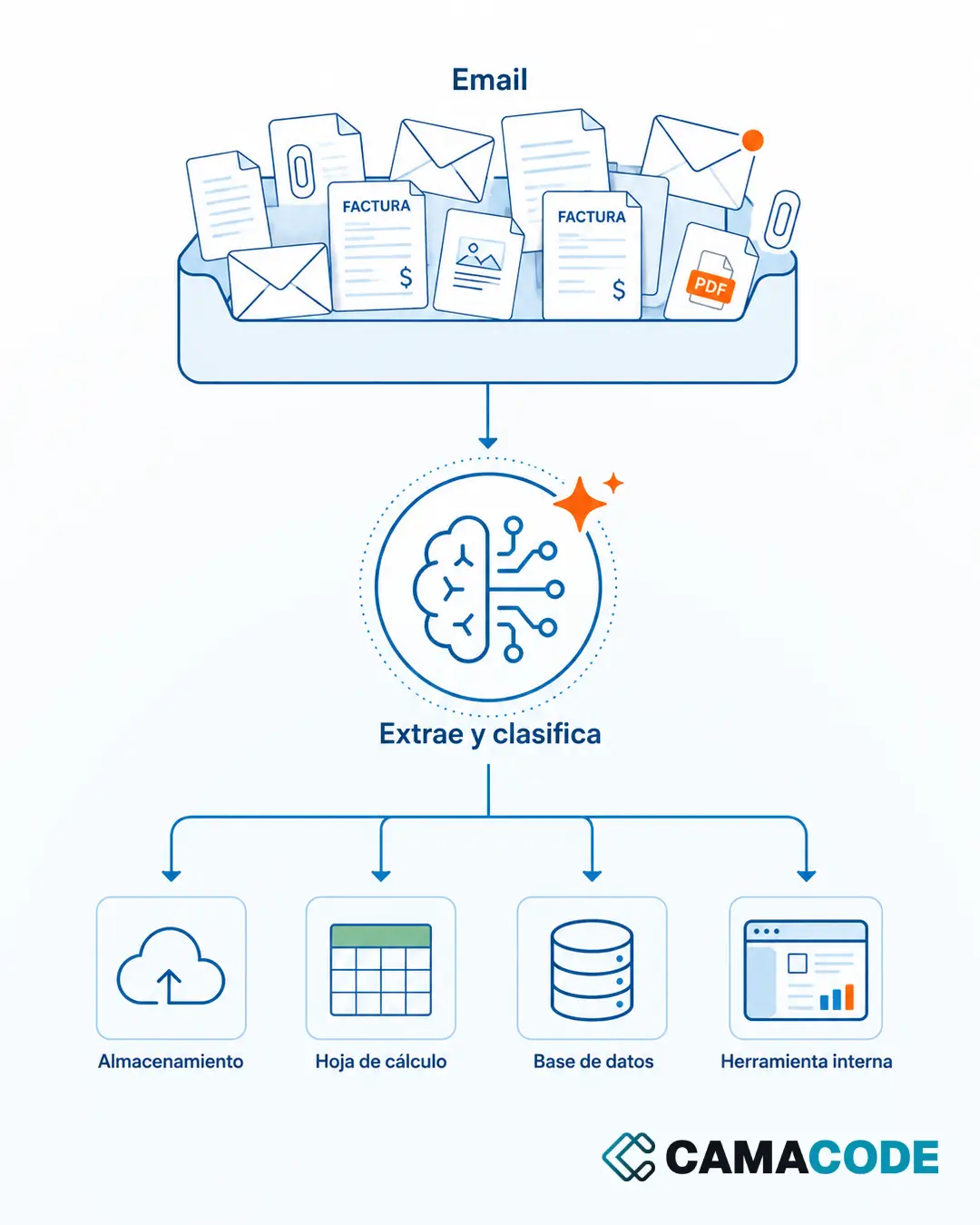
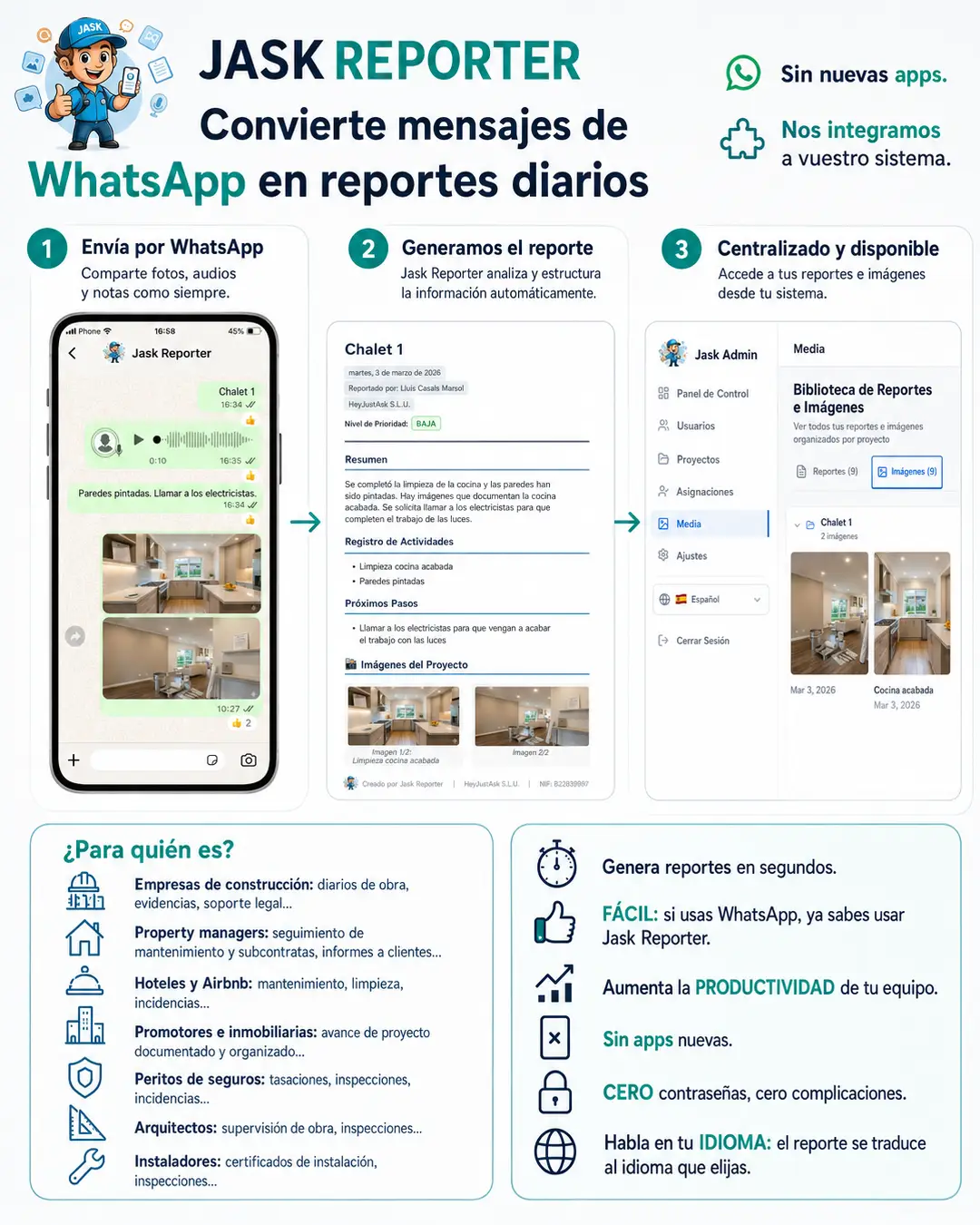
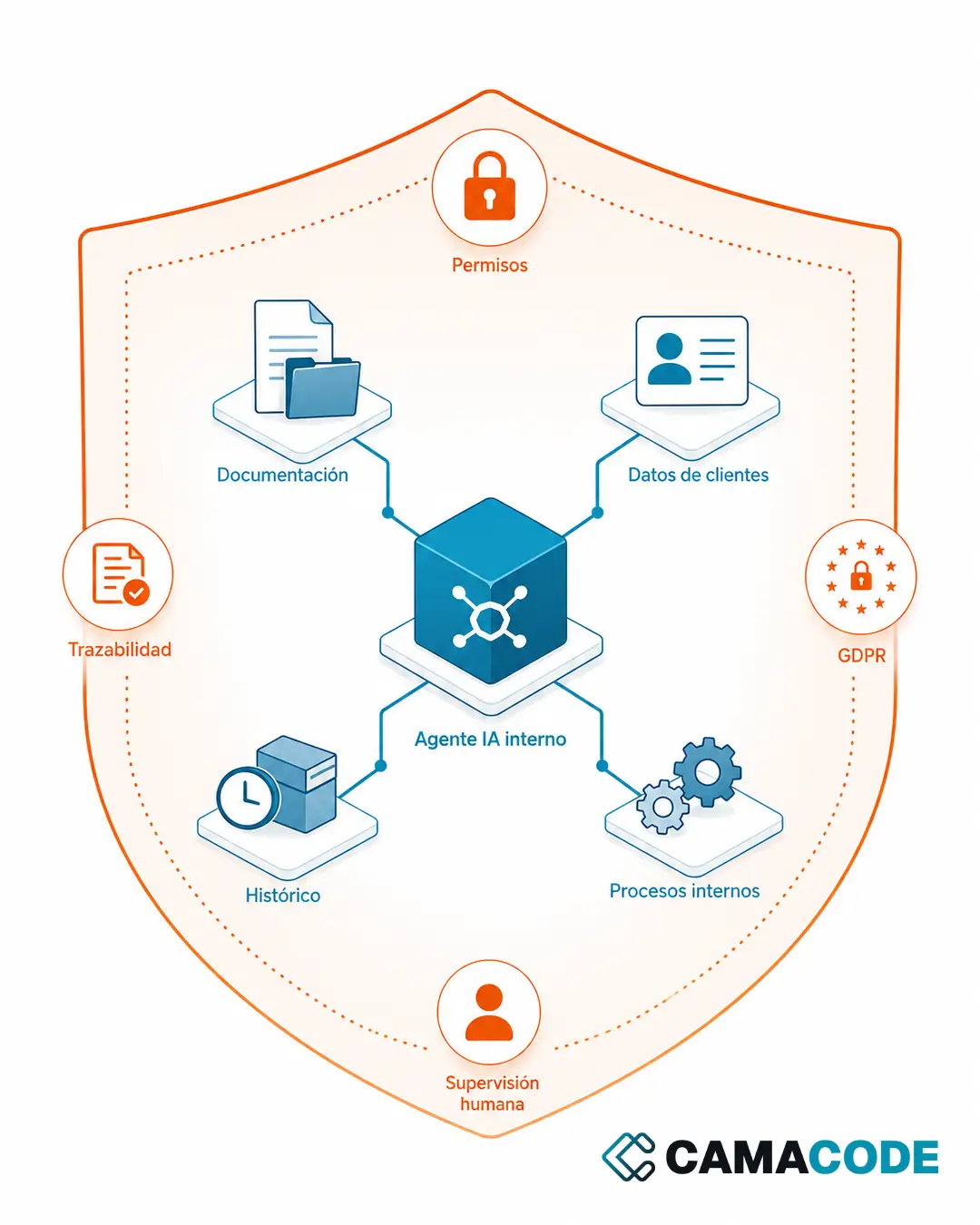
The practical rule we use: if the task follows fixed rules (move a file, copy a value, send an alert), traditional automation is enough: cheaper and more predictable. AI adds value when the task requires understanding something: interpreting an email, transcribing a call, classifying a document, summarizing scattered information or holding a conversation. It makes sense to automate tasks with AI exactly there, where a person previously had to read or listen. And the two combine: AI understands the input, automation moves the result. If your case involves sensitive customer data, also read how we approach private ChatGPT for business.
Case study: AI applied to one specific process, not “AI in general”
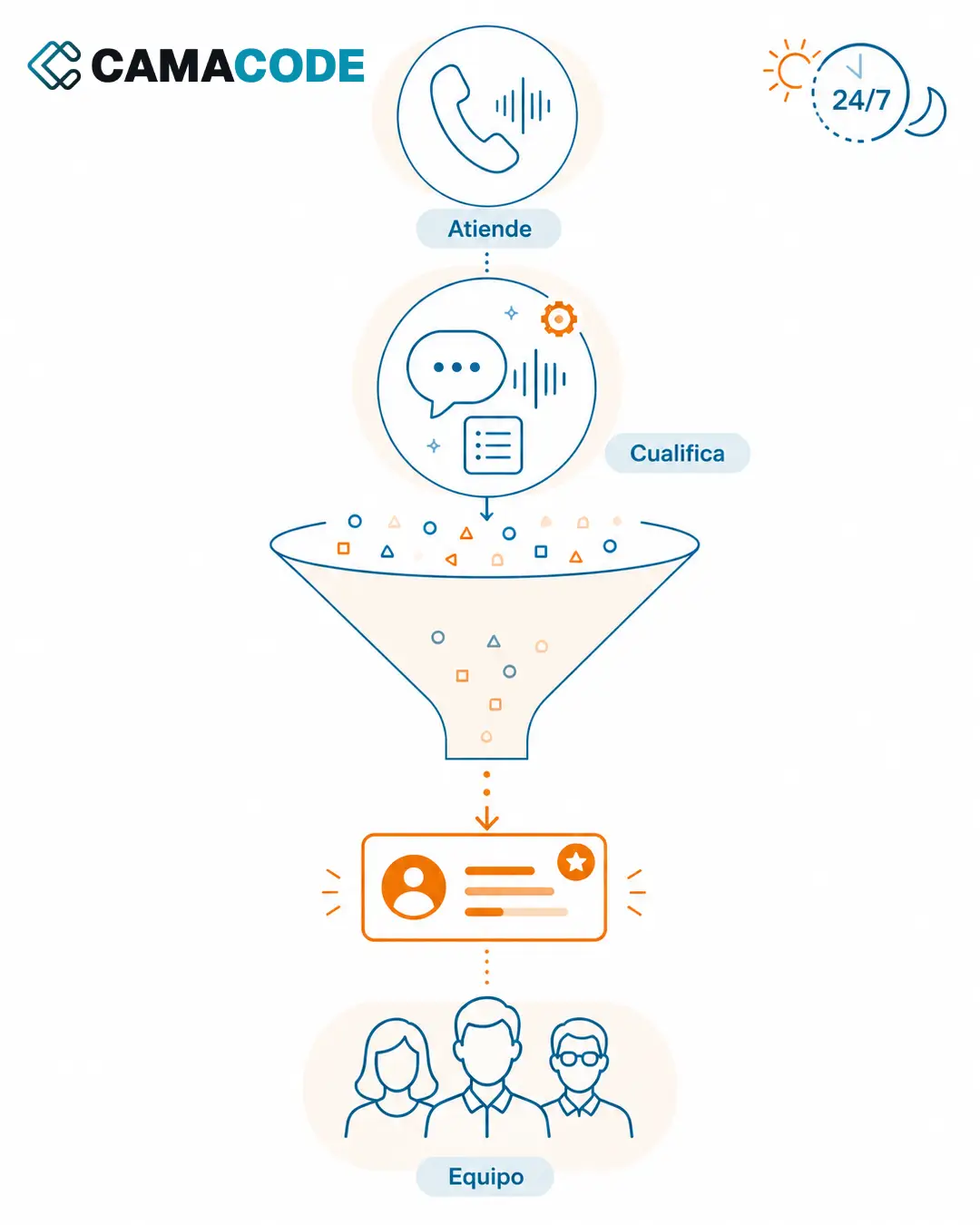
A scooter and car rental company in Mallorca didn’t ask us to “implement AI”. It had a specific problem: handling incident calls 24/7 was expensive and hard to sustain. We analyzed the support process, saw that a large share of the calls followed repetitive patterns, and built a voice agent that answers immediately, says it is an automated assistant, understands what has happened, collects the important information and leaves the case ready for the team whenever human intervention is needed. The full case is in AI voice agent for incident calls at a scooter and car rental company: a good example of AI working when it sits inside a real process.
Where should you start implementing AI in your business?
Choose a single pilot process with three characteristics: it repeats often, its data is accessible and its outcome can be evaluated (time saved, errors avoided, faster responses). Document how it works today, define how it should work and validate the solution on a small scale before extending it. That contained, one-process-at-a-time approach is what makes AI for a small business viable rather than an open-ended bet, and it is the basis of our AI for business service, where we support you from choosing the use case through to going live, as part of the work of Camacode as an AI agency.
Is the process clear, or are you still at “we want to add AI”? Either way we can help you land it. Tell us where you are today and we will take it from there.