AI agency · Phone answering
AI phone answering service: handling and qualifying calls for a car rental company
Camacode deployed an AI phone answering service at a car rental company that picks up incoming calls at any hour: it answers the usual inquiries, collects the booking or request details and qualifies the caller before handing the case to the team. No opportunity goes unanswered and every case reaches the team with the context already prepared.

Written by Lluís Casals Marsol · Founder at Camacode
Published on
- Industry:
- Vehicle rental (car rental)
- Solution type:
- AI phone answering service / AI receptionist
- Services:
- AI agency AI voice agent
This case focuses on handling and qualifying customers who call to ask questions or book: it is the front door of the business. If what you are looking for is an agent that handles incidents from customers who have already rented, see our case study on the AI voice agent for incident calls at a scooter and car rental company.
The problem
Answering the phone 24 hours a day, 7 days a week is expensive and, in practice, close to impossible. And yet many opportunities start with a call that needs a fast answer: someone who wants to know whether a car is available, how much it costs, what they need to rent. If nobody picks up, that person calls the next car rental company on the list. And when the team does pick up, a good share of the calls are the same questions as always, repeated over and over in the middle of other tasks.
The context
A car rental company gets calls from very different profiles: tourists asking outside business hours, customers who want to change something, people just comparing prices. They all sound the same on the phone, but they are not worth the same and they do not need the same thing. The business needed two things: not to lose calls, and not to spend the team’s time on questions that already have a known answer. We do not publish audio or customer data; we describe the process pattern.
The solution: an AI receptionist on the company’s phone line
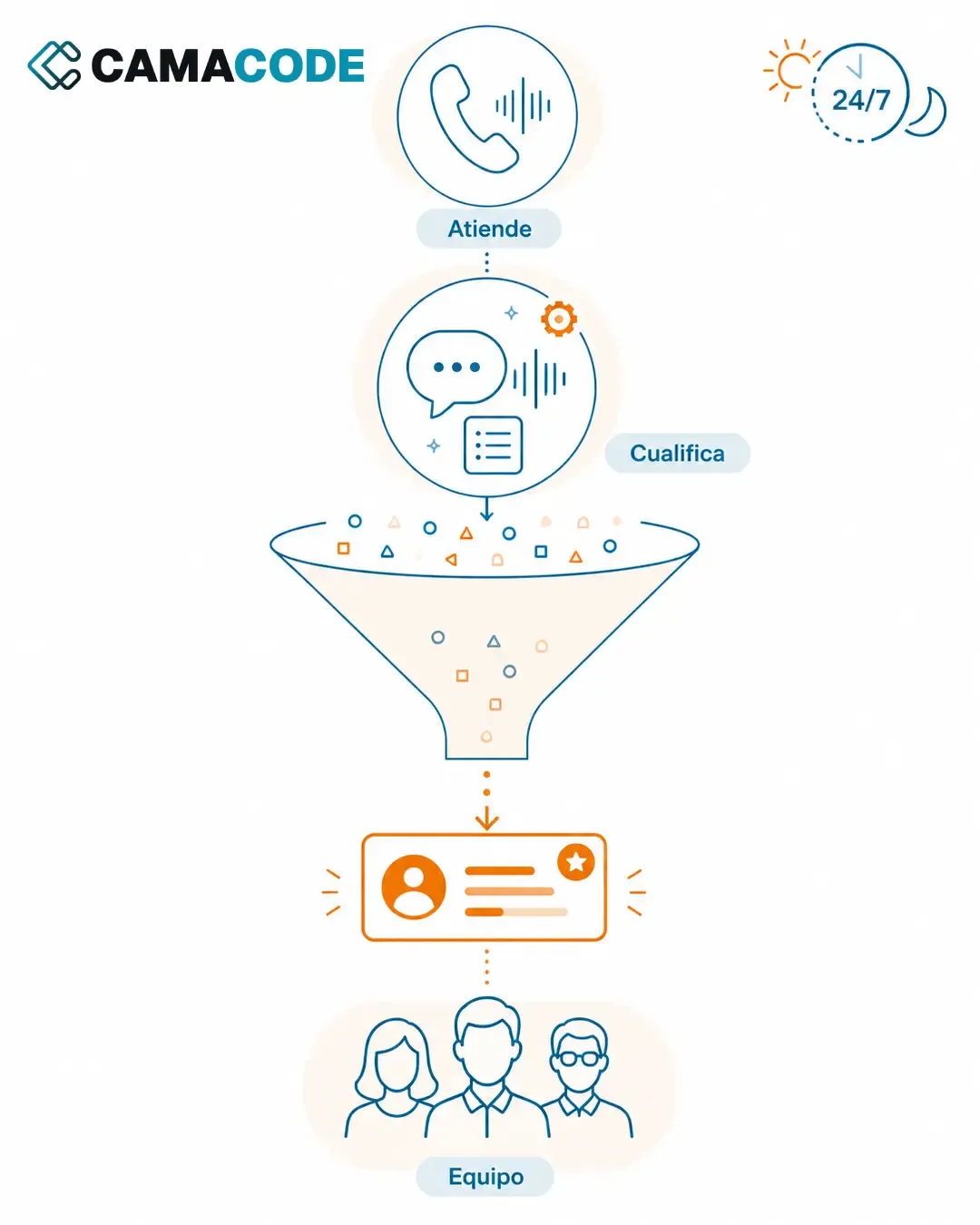
We deployed an AI receptionist that answers the company’s phone: it holds a natural opening conversation, answers the frequent questions (availability, requirements, conditions, opening hours), understands what the caller needs and asks for the important details. When the call is a real opportunity, the AI qualifies it: it collects dates, vehicle type and contact details, and leaves the case ready for the team to pick up with full context. This is not an answering machine that just takes a message: it is an intelligent first filter that answers, organizes, records and helps decide the next step.
How the call flow works
- Every call gets answered, at any hour: including at night, on weekends or when the counter is busy.
- Frequent questions are resolved on the spot: the caller gets their answer without waiting for someone to free up.
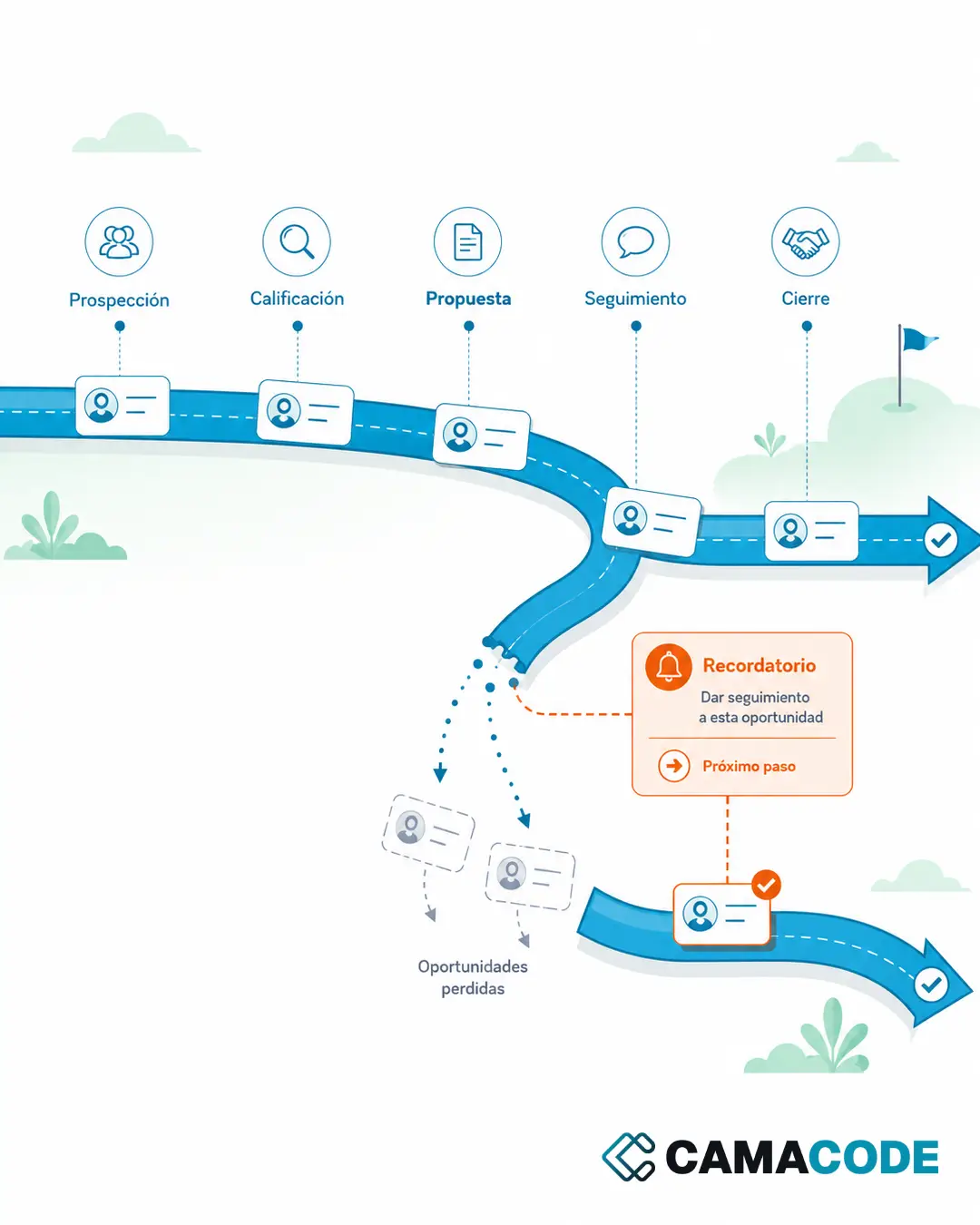
- Opportunity qualification: the AI tells a general inquiry apart from real booking intent and acts accordingly.
- Capture of key details: dates, vehicle, needs and contact information are recorded in an organized record.
- Handover with context to the team: each case arrives prepared, without the customer having to repeat their story.
- Escalation to a human when needed: sensitive or off-script situations are passed to the team along with what has been collected.
Why an AI answering service for small business works
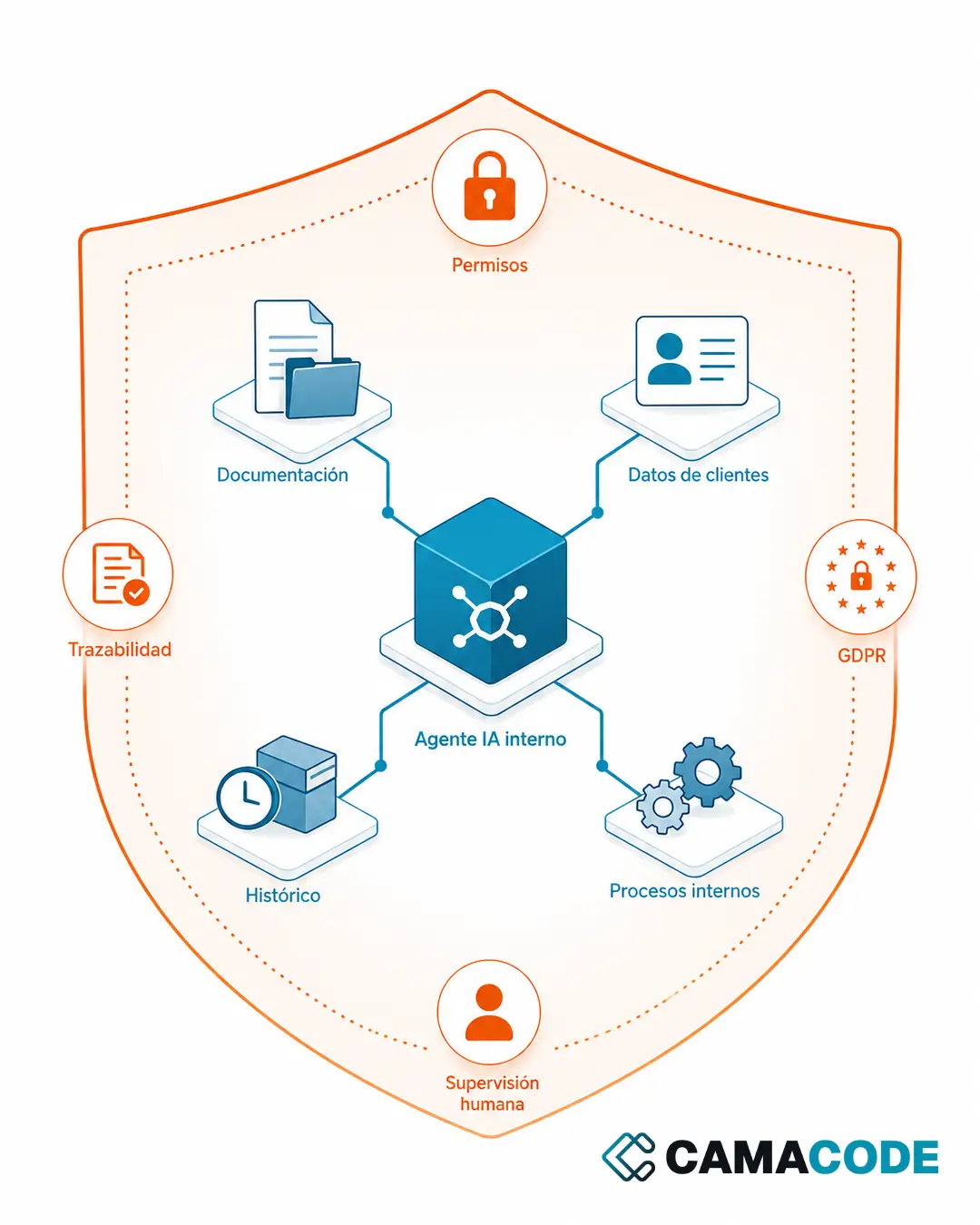
This is not about replacing human attention: it is about making sure the team does not arrive late to opportunities and does not have to repeat the same questions over and over. That is exactly why an AI answering service for small business tends to pay off: a small team cannot cover the phone at every hour, and each missed call is a customer who dials the next number on the list. The AI has defined limits (what it can answer, what it must escalate, what it must never promise) and the team supervises the cases that require it. Defining those limits is part of the design from day one, just like deciding what information is recorded and how. AI adds value when it sits inside a real process, not when it is simply parked in front of the phone.
Results
The clearest change: the phone stopped being a bottleneck. Calls outside business hours are no longer lost opportunities, repetitive questions no longer interrupt the team, and requests arrive qualified, with the details needed to respond quickly and well. The team spends its time closing bookings and looking after customers, not repeating the pick-up schedule for the umpteenth time.
Do you have a similar process?
This pattern fits any business where the phone is the front door and calls pile up or get lost: rentals, clinics, real estate agencies, services that run on bookings or quotes. Before setting up an AI phone answering service it pays to understand the process well and what should happen with each type of call; we cover it in how to implement AI in my business and on our AI for business page.
Do you get repetitive calls, calls outside business hours or calls nobody can take in time? Tell us what the phone looks like in your business and we will see whether an intelligent first filter makes sense in your case.